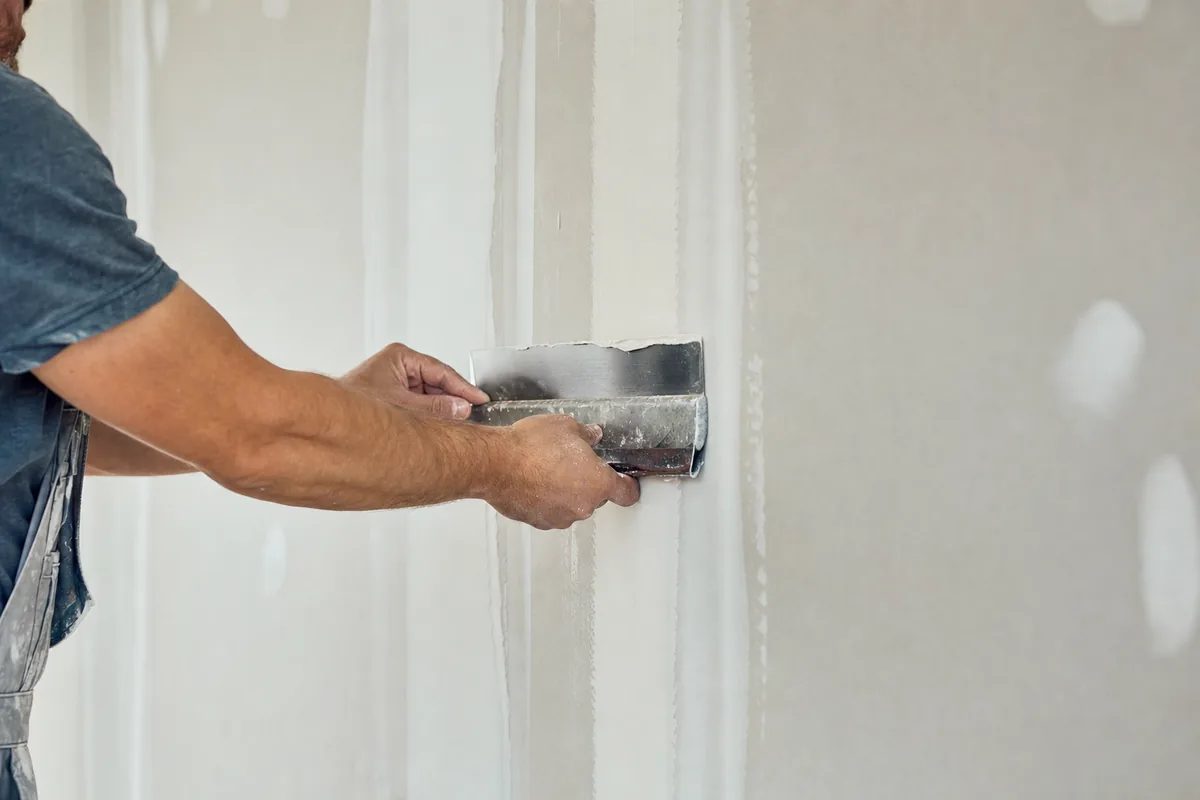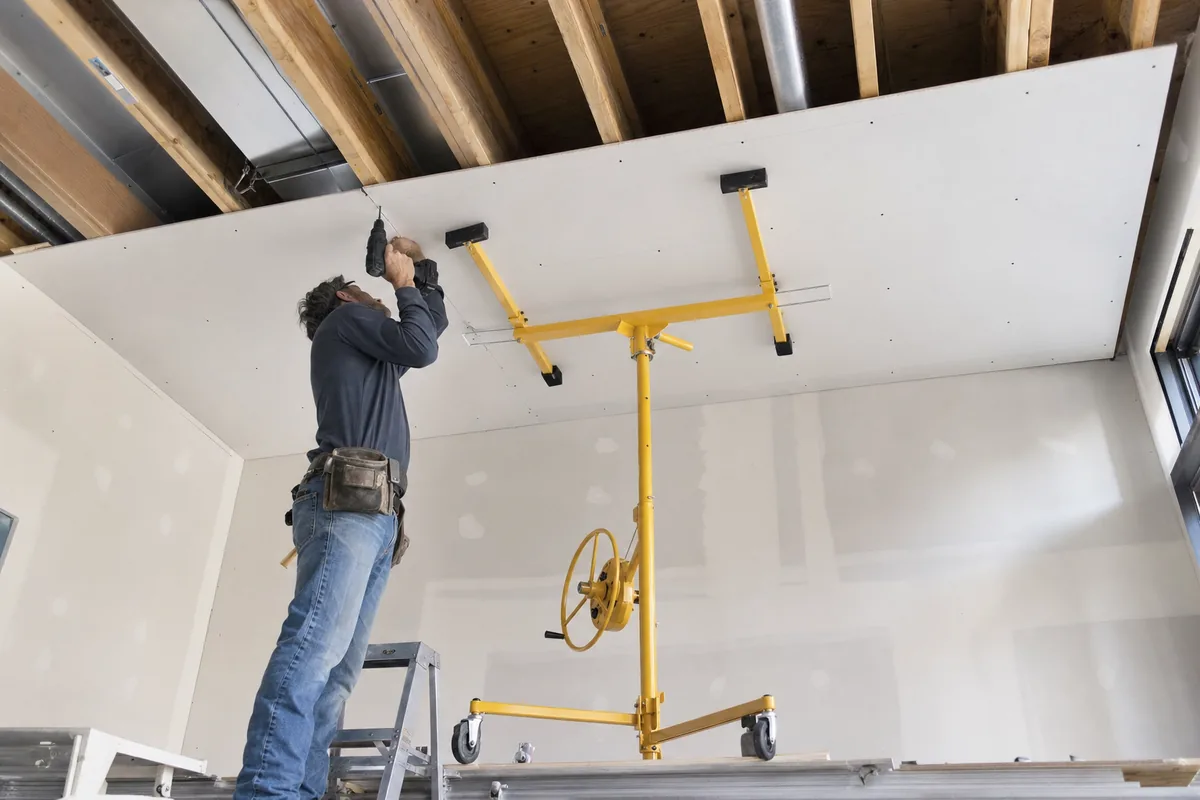
Johnson City Drywall patches small holes in walls and ceilings across Johnson City and the Tri-Cities. Doorknob strikes, anchor and screw holes, dents from furniture, TV mount brackets pulled out of hollow board, and the ragged opening a plumber left behind an access panel. Every patch runs the same sequence. Square the opening up, put backing behind it, set a patch cut to fit, then tape the edges. Two or three coats of compound follow, feathered well past the hole, then sanding and a texture match.
We patch in houses, rental units, offices and finished basements. Standard gypsum board takes a standard patch. Moisture-resistant board in a bath or a basement gets patched with the same board that came out and given longer between coats. Many years of small repairs across this valley go into sizing the fix to the damage instead of to the invoice. A screw hole and a doorknob hole are not the same job, even though both are smaller than your hand. Kingsport, Bristol, Elizabethton, Jonesborough, Gray, Erwin, Piney Flats and Boones Creek book on the same terms as Johnson City itself.
Why a Rushed Patch Comes Back in Johnson City
The most common thing we get called out to fix is somebody else’s patch, and usually it did not fail because the person was careless. It failed because it was finished in one afternoon. Compound has to give up its water before the next coat traps it, and around here the air is often unwilling to take that water. Johnson City averages about 44 inches of rain a year over roughly 135 days with some precipitation, against a national figure nearer 38 inches. A humid August week can double the drying time a bucket label promises.
A patch closed up too fast keeps shrinking behind the paint. Months later you get a faint square outline in the right light, a hairline ring around the edge of the repair, or a spot sunk just enough to catch a shadow. Seasonal movement then finishes the job. Board and framing swell through the summer and shrink through a dry heated winter, and the weakest place on that wall is the repair that never fully cured.
Two habits prevent all of it, and neither is clever. Back the opening with something solid so the patch is not floating on tape alone, and give every coat the full 8 to 24 hours before the next one goes on. Both together are why a small patch gets quoted as two or three short visits instead of one. A patch you cannot find a year later is worth more than a patch finished before lunch.
Small Repairs We Take On
Doorknob Holes
The classic hole in a wall, made by a door swung hard with no stop behind it. Round holes get backed and patched, and we will point out where a stop or a wall shield belongs.
Screw, Anchor and Bracket Holes
Holes left in the wall by shelving, mirrors, curtain rods and TV mounts. Small ones get filled and spot-textured, and blown-out anchor holes get backing before anything else.
Dents, Gouges and Scrapes
Furniture corners, moving day, a vacuum cleaner against a corner bead. Filled, sanded and blended into the surrounding surface.
Access Panels and Trade Cut-Outs
Openings left by a plumber or an electrician working behind the wall, squared up, backed and closed properly.
Patches Beside Popped Fasteners
A hole in a room that also has domes down a stud line gets quoted and scheduled as one job, not as two separate callouts. See Nail Pop Repair.
Patches Beside Cracks
Small holes turning up alongside open seams point to one repair visit, not two. See Drywall Crack Repair.